Puerto Rican Cooperative Opens $2.8 Million Meat Plant Aiming to Cut Import Dependency
CoquiList · With information from NotiCel
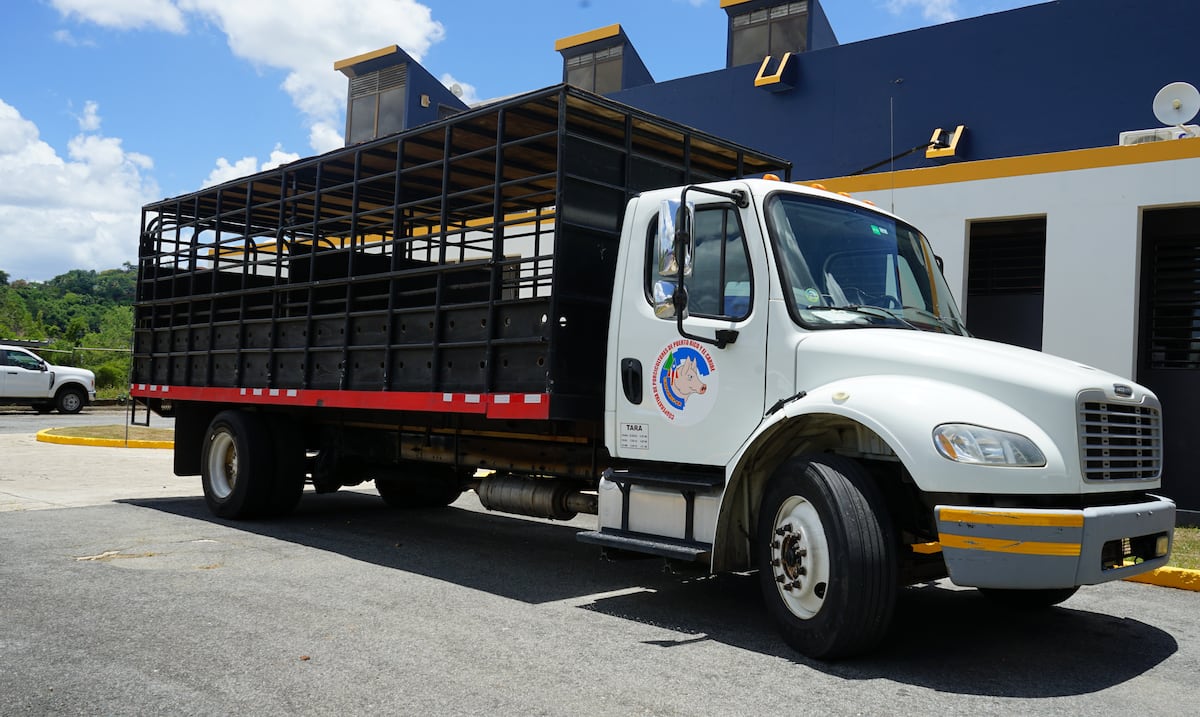
Puerto Rico imports 85% of the food it consumes, and a significant portion of the meat on your table comes from the U.S. mainland or South America. But a local cooperative just took a concrete step to change that reality: the Cooperativa de Porcicultores de Puerto Rico y el Caribe (COOPORCI-PR) inaugurated the Puerto Rico Meat Processing Center in Guaynabo on Wednesday, a meat processing plant with capacity to produce 15.2 million pounds per year 12.
The total investment amounts to $2.8 million, financed through the Fondo de Inversion y Desarrollo Cooperativo (FIDECOOP) and the federal Meat and Poultry Intermediary Lending Program (MPILP) from the U.S. Department of Agriculture (USDA) 13. It marks the first time funds from that federal program have reached a cooperative on the island.
The numbers behind the new plant
The facility has capacity to process 100 cattle or 400 hogs daily, translating to a projected annual production of 12.5 million pounds of beef and 2.7 million pounds of pork 12. "With the inauguration of Puerto Rico Meat Processing Center, we are beginning a new era for Puerto Rican livestock farming," said Angel Rodriguez, president of COOPORCI-PR, a cooperative that has been operating on the island for 15 years 1.
The operation will generate approximately 140 direct and indirect jobs 1, an important boost for Guaynabo and surrounding municipalities. Target customers include local producers, supermarkets, butcher shops, and school cafeterias.
The cooperative model as an economic engine
What makes this investment particularly notable is the model behind it. This is not a multinational setting up operations -- it is a cooperative of local ranchers using federal financial tools to build their own infrastructure.
"This investment demonstrates once again that the cooperative model is an effective tool," noted Jose Julian Ramirez Ruiz, executive director of FIDECOOP 1. The USDA's MPILP program was specifically designed to strengthen meat processing infrastructure, support independent processors, and increase food supply chain resilience 3.
Eliezer Maldonado Pagan, operations director of the center, highlighted the opportunity this opens for small producers: "We want to offer a quality service that allows them to develop their own brands" 1. This means a rancher in Lares or Coamo could bring their animals to Guaynabo and leave with a packaged product bearing their own label, ready to sell in supermarkets or directly to consumers.
What this means for you
If you buy meat at the supermarket or butcher shop, this project affects you in several ways. More local options with 15.2 million pounds of annual production. Potential price stability because local production reduces vulnerability to supply chain disruptions -- port strikes, tariffs, storms. The 140 jobs include transportation, animal handling, distribution, and sales. And the plant aims to supply school cafeterias, which could mean fresher meat in your children's lunch.
How to take action / Checklist
- Look for the label. When you are at the supermarket, check if the meat says "Producto de Puerto Rico" or carries a cooperative brand. Ask at the butcher shop if they carry local product.
- Know your rancher. At market plazas and agricultural fairs, you can buy directly from producers who use this plant.
- If you are a rancher, look into COOPORCI-PR. The cooperative accepts new members, and the plant is designed to serve independent producers.
- Support food sovereignty legislation. Contact your legislator to support additional funding for agricultural infrastructure.
- Buy cooperative. The cooperative model reinvests in the community. When you buy cooperative products, the money stays on the island.
What comes next
COOPORCI-PR has 15 years of experience, but this plant marks a before and after. The USDA still has available funds from the MPILP program for additional cooperative meat processing projects 1, opening the door for other livestock cooperatives to replicate this model. The challenge now is one of scale and market access. Processing 15.2 million pounds is significant, but Puerto Rico consumes far more than that. The plant is a first step, not the complete solution. It remains to be seen whether major supermarkets will give shelf space to local product.
What is clear is that the infrastructure now exists. For the first time, Puerto Rican ranchers have a modern plant, financed with cooperative and federal capital, to compete head-to-head with imported meat.
Sources: 1 NotiCel, "Inversion millonaria del cooperativismo crea el Puerto Rico Meat Processing Center," August 6, 2026 2 El Nuevo Dia, "Inversion cooperativa de $2.8 millones para nueva planta de procesamiento de carne," August 5, 2026 3 USDA Rural Development, Meat and Poultry Intermediary Lending Program (MPILP)
Sources
CoquiList summary and local context. Read the linked sources for the original reporting.
Ask about this story
Ask anything about this article — in English or Spanish.
Log in to ask about this story.
Comments (0)
Log in to join the conversation.
No comments yet — be the first.