Penile cancer in Puerto Rico triples US rate as specialists urge breaking the silence
CoquiList · With information from El Nuevo Dia

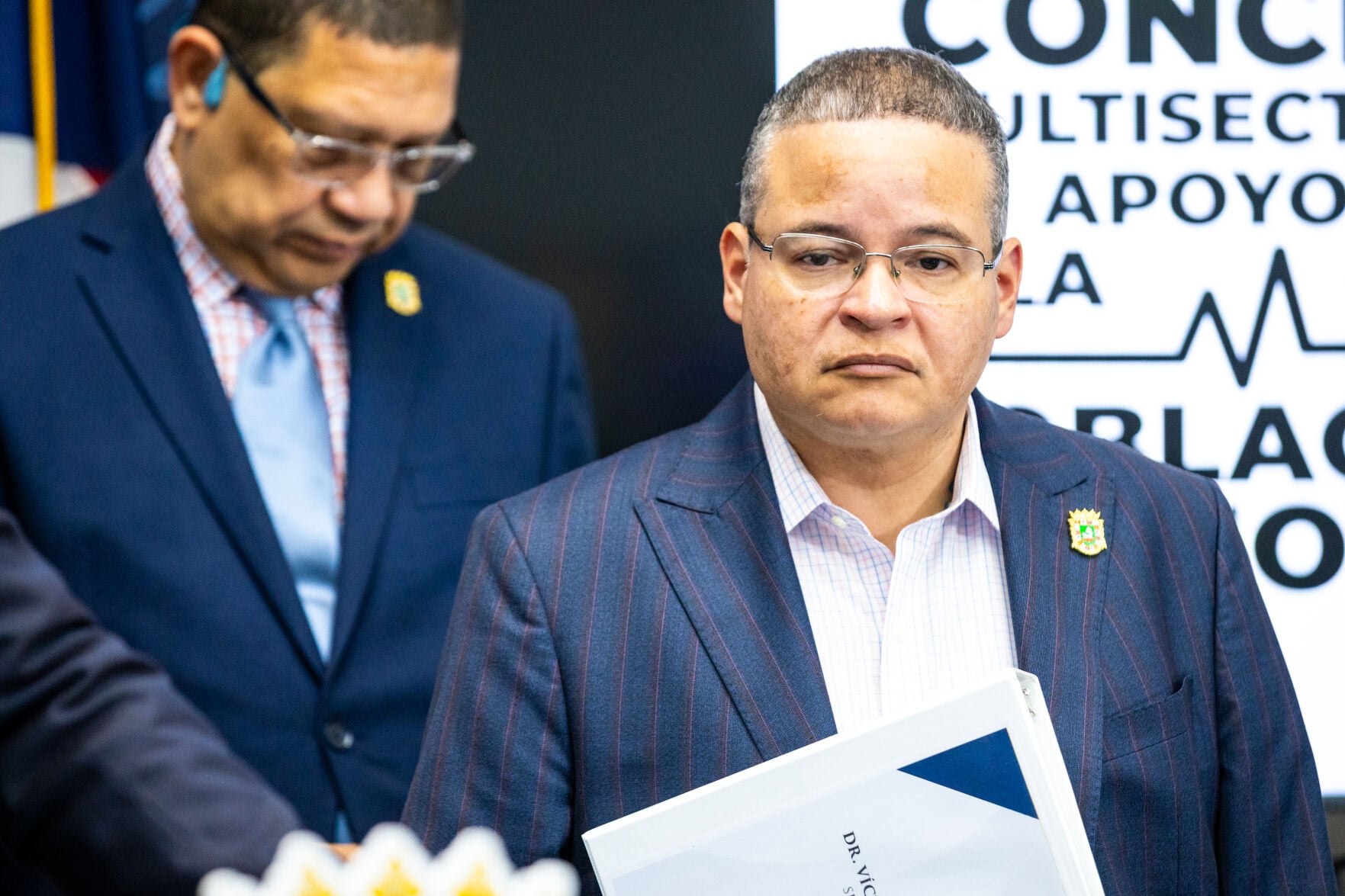
Puerto Rico faces a reality few want to discuss: penile cancer incidence and mortality on the island is three times higher than in the United States, according to data from Puerto Rico's Comprehensive Cancer Center 1. Urology and oncology specialists are urging the male population to break the taboo and seek medical attention for any suspicious lesion, because early detection can be the difference between effective treatment and advanced disease with few options.
Penile cancer is considered rare worldwide — in the United States, approximately 2,260 new cases are diagnosed per year, with about 450 deaths, equivalent to fewer than 1 case per 100,000 men 2. But in Puerto Rico, the rate spikes to levels doctors describe as alarming. Health professionals point to a cultural problem as an aggravating factor: the stigma surrounding male genital health causes many men to postpone urologist visits until the disease is already advanced.
"It's something that isn't well known," the consulted specialists agree. The disease can begin as a small, seemingly harmless lesion — a spot, a sore that doesn't heal, a color change in the skin of the penis — but if not treated promptly, it can rapidly spread to the inguinal area and compromise the lymph nodes.
Among the main risk factors is infection with human papillomavirus (HPV), which also causes cervical cancer in women. Phimosis (inability to retract the foreskin), smoking, advanced age, and HIV also increase the risk 2. The average age at diagnosis is around 60, but doctors warn that lesions can appear earlier and go unnoticed for years.
One positive note is that 77% of adolescents in Puerto Rico have completed the HPV vaccination series, one of the most effective preventive tools against this type of cancer 1. However, older generations who were not vaccinated remain vulnerable, and the vaccine alone does not eliminate all risks.
Penile cancer is more common in parts of Asia, Africa, and South America, and Puerto Rico shares that elevated pattern despite being a US territory with access to the federal health system. Experts note that the lack of specific awareness campaigns for this disease contributes to men not recognizing symptoms or seeking preventive screenings.
What this means for you
If you're a man, this concerns you directly. Living in Puerto Rico places you in a population with significantly higher risk of developing penile cancer compared to the rest of the United States. The cultural taboo around examining and discussing penile health isn't just uncomfortable — it's dangerous. Every month a doctor visit is postponed out of embarrassment is a month in which a treatable lesion can become a devastating diagnosis.
For women and partners, the information is also relevant: HPV is sexually transmitted and affects both sexes. Vaccinating teenage sons and daughters protects the next generation against several types of cancer.
How to act
- Perform a monthly self-exam of the penis — look for any color changes, sores that don't heal within two weeks, lumps, unusual discharge, or bleeding.
- Schedule an appointment with a urologist if you're over 40 and have never been evaluated, or immediately if you notice any suspicious lesion.
- If you're between 9 and 26 years old and didn't complete the HPV vaccine, ask your doctor about catching up — the vaccine can be administered up to age 45 in some cases.
- Maintain good daily genital hygiene, especially if uncircumcised. Retract the foreskin to clean underneath with water and mild soap.
- Quit smoking or seek help to stop — smoking increases the risk of penile cancer and virtually every type of cancer.
- Talk to your friends, brothers, father, uncles. Normalize the conversation about men's health without shame. Sharing information could save someone's life.
- If you have phimosis or difficulty retracting the foreskin, consult a urologist — simple treatments exist that reduce the risk.
What's next
Specialists at Puerto Rico's Comprehensive Cancer Center continue to push awareness efforts for this disease. The high rate of HPV vaccination among Puerto Rican adolescents is expected to eventually reduce incidence in the coming decades, but the benefits will take time to materialize. Meanwhile, urologists are asking the Department of Health to include penile cancer in its prevention campaigns, similar to what is done for breast and prostate cancer. The key, doctors insist, is breaking the silence: "If we talked about this the way we talk about other cancers, we would detect more cases early and save more lives."
Sources: 1 El Nuevo Dia — Specialists urge awareness about penile cancer in Puerto Rico 2 American Cancer Society — Key Statistics for Penile Cancer
Sources
CoquiList summary and local context. Read the linked sources for the original reporting.
Ask about this story
Ask anything about this article — in English or Spanish.
Log in to ask about this story.
Comments (0)
Log in to join the conversation.
No comments yet — be the first.