Federal Tariffs Could Double the Cost of Your Medications in Puerto Rico
CoquiList · With information from El Vocero
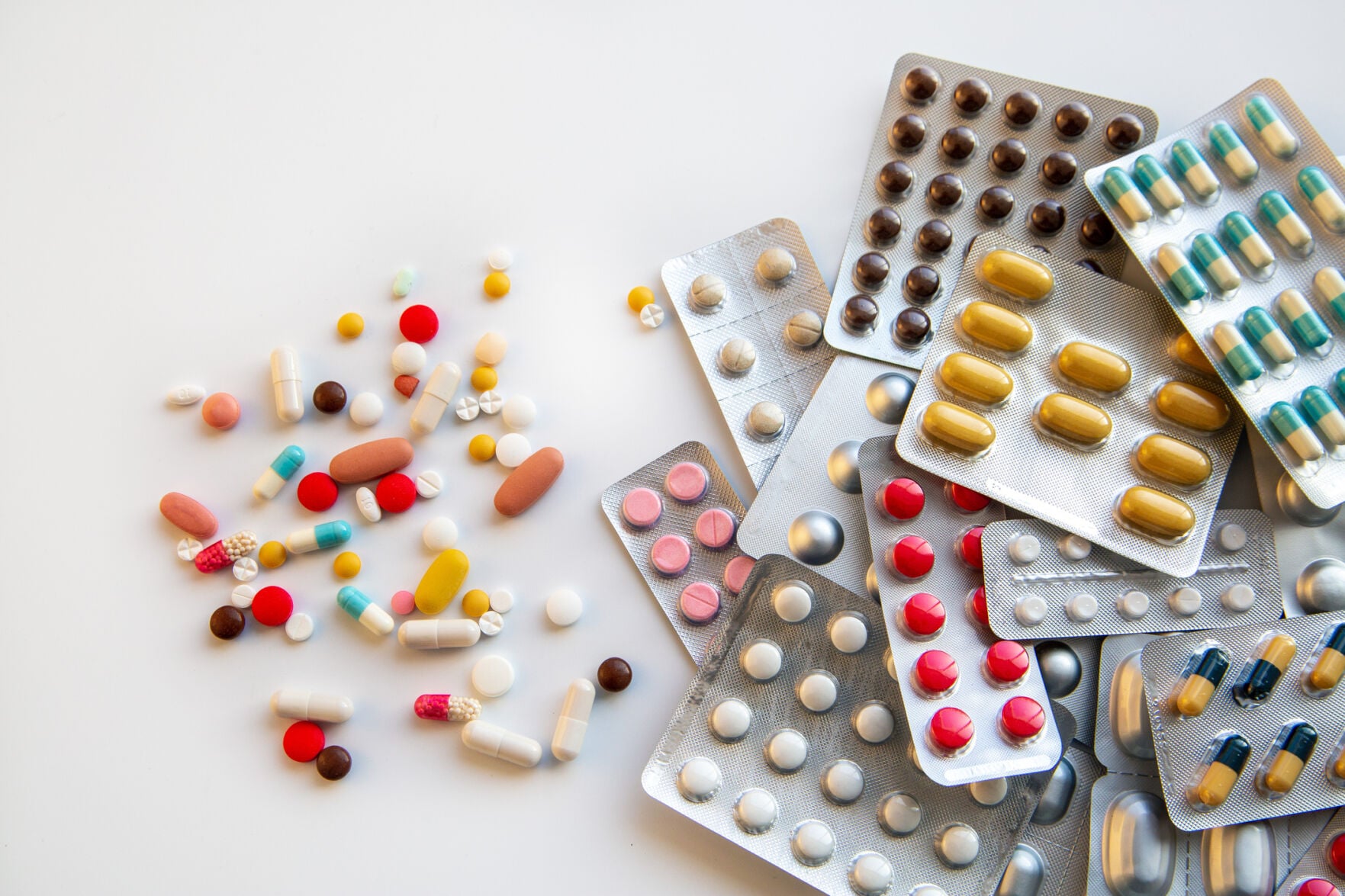
The federal government announced a staggered tariff scheme on imported generic medications: 0% through July 2028, then 100%, and eventually 200% from 2029 onward. Puerto Rico imported $3.254 billion in generics and pharmaceutical preparations in 2025 -- 46% of all the island's pharmaceutical imports. Ireland supplies 48% of those imports and 68% of bioequivalent preparations. Ninety percent of prescriptions in the United States are filled with generics, yet they represent only 13% of total pharmaceutical spending. Economists and health professionals warn that private insurance plans are unlikely to absorb the added costs, and community pharmacies may be forced to reduce inventory. The two-year grace period is considered insufficient, as relocating pharmaceutical manufacturing takes three to five years minimum.
The question for Puerto Rico residents is not whether prices will rise -- it is how much and how fast. If you depend on generic medications for chronic conditions, now is the time to talk to your doctor, review your coverage options, and start planning.
What It Means for You
If you take prescription medications -- especially generics -- this affects you directly. Generics are the backbone of the healthcare system: they fill 9 out of every 10 prescriptions on the island 1. These are the blood pressure, diabetes, cholesterol, asthma, and mental health medications that millions of Puerto Ricans use every day.
The tariff schedule announced on July 21 works like this: from August 1, 2026, through July 2028, tariffs remain at 0% -- a grace period 12. But starting August 2028, they jump to 100%. And from August 2029, they climb to 200% 12.
That means a generic medication that costs $20 today could cost you $40 in 2028 and $60 in 2029.
Puerto Rico is especially vulnerable. The island imported $3.254 billion in generics and bioequivalent preparations in 2025 alone, representing 46% of all its pharmaceutical imports 1. Ireland -- which currently supplies 48% of those imports and 68% of bioequivalents -- would be the country most affected by these tariffs 12.
Economist Juan Castaner of Estudios Tecnicos was blunt: he seriously doubts that private health plans will absorb these additional costs 1. That means patients will feel the hit. Linda Ayala, president of the Community Pharmacies Association, warned that pharmacies could be forced to reduce their medication inventory 1.
Plan Vital beneficiaries face particular pressure, as the program already operates on tight margins 1.
How to Prepare
You do not have to wait until 2028 to protect yourself. Here are concrete steps you can take now:
Talk to your doctor. Ask whether there are therapeutic alternatives that might be less affected by tariffs, including brand-name medications with patient assistance programs.
Review your health plan. If you have private insurance, check your coverage for generic versus brand-name drugs. Consider whether it makes sense to switch plans during the next enrollment period.
Shop smart. Compare prices across pharmacies. Community pharmacies sometimes offer better pricing than large chains. Ask about discount programs.
90-day prescriptions. If your plan allows it, request 90-day prescriptions instead of 30-day ones. This gives you more price stability and fewer pharmacy trips.
Stay informed. Follow legislative developments. The 2028 U.S. general elections could reshape the tariff landscape before full implementation 2.
Contact your representatives. Pharmaceutical tariffs disproportionately affect Puerto Rico. Let your resident commissioner and local legislators know how this impacts your wallet.
What Comes Next
The two-year grace period sounds like enough time, but it is not. Moving pharmaceutical manufacturing to the United States takes three to five years at minimum, according to Brookings Institution researchers 1. Marta Wosinska, a senior researcher at the Brookings health policy center, has raised concerns that there are insufficient incentives for manufacturers to make that transition 1.
India, the primary supplier of generics to the United States, would be the main target of these tariffs. But the cascading impact reaches Puerto Rico directly because the island depends almost entirely on imports for its pharmaceutical supply 12.
Healthcare costs already rose 3.1% in May compared to the prior year, according to federal Labor Department data 1. The tariffs threaten to accelerate that trend dramatically.
There is one variable that could change everything: politics. With presidential elections in November 2028 -- the same year the 100% tariffs would take effect -- there is real political pressure to modify or eliminate this scheme before implementation 2. But betting that politics will save you is not a health plan.
Sources: 1 El Vocero - https://www.elvocero.com/economia/aranceles-de-estados-unidos-podr-an-duplicar-el-costo-de-medicamentos-en-puerto-rico/article_c6fbdae5-ea5a-4659-bff1-f751b9e5a651.html 2 NotiCel - https://noticel.com/en/ultima-hora/20260727/aranceles-sobre-medicamentos-genericos-se-van-a-disparar-en-el-2028/
CoquiList summary and local context. Read the linked sources for the original reporting.
Ask about this story
Ask anything about this article — in English or Spanish.
Log in to ask about this story.
Comments (0)
Log in to join the conversation.
No comments yet — be the first.